Outdoor Education
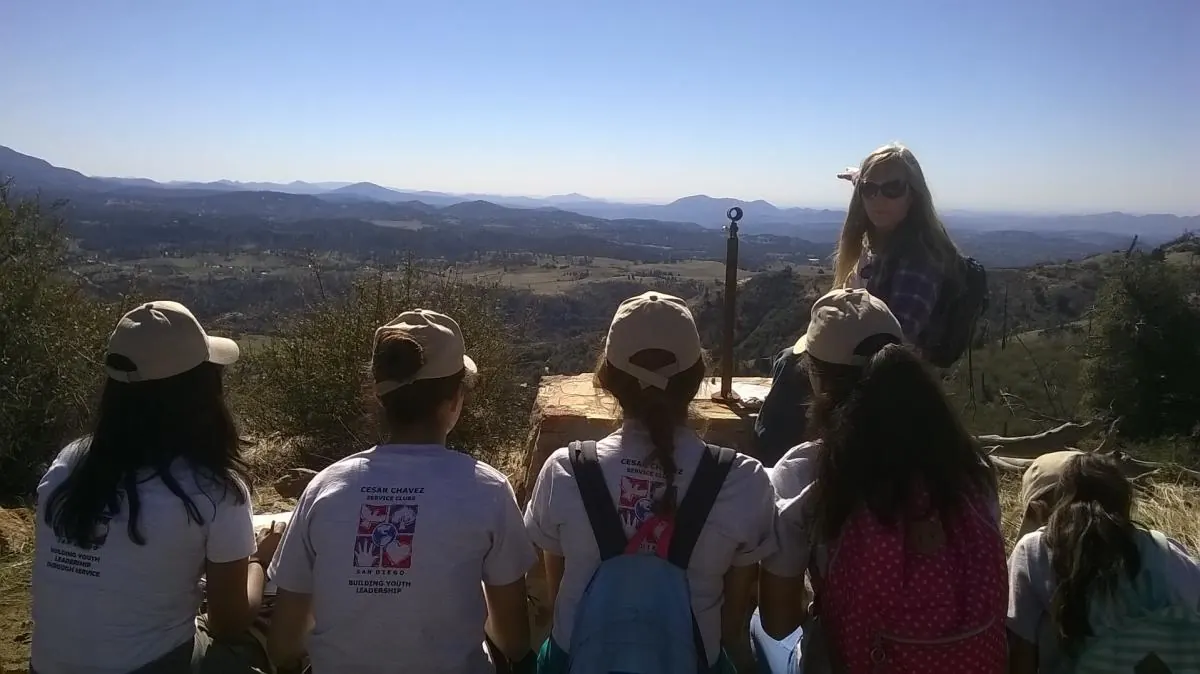
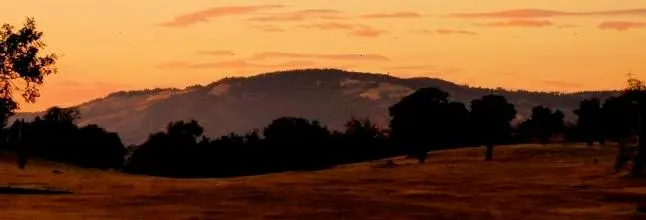
Have you ever wondered what the mountains of San Diego have to offer? Come find out!
The Volcan Mountain Foundation's Education Program offers a variety of eduducation venues which include:
1. Interpretive guided hikes along our 1.5-mile Sky Island Trail with views as far as the coast.
2. Citizen science and stewardship projects.
3. Wildcrafting workshops.
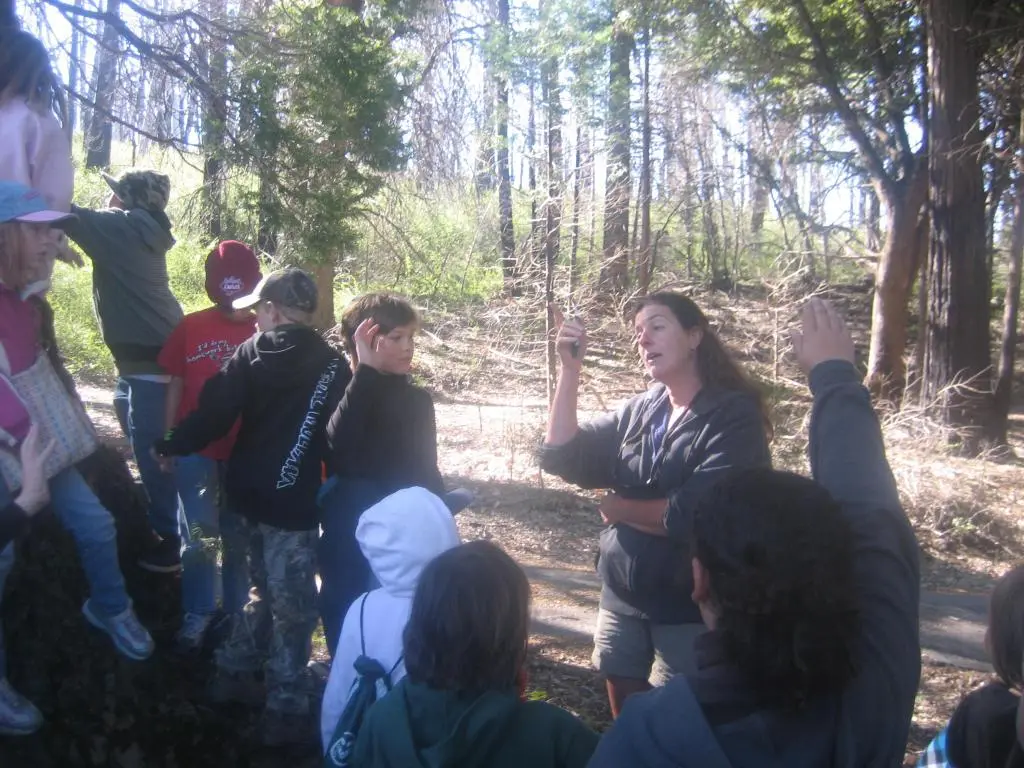
4. Nature studies for youth groups that meet science standards for grades 1 - 12. Here students get a deeper understanding of plant and animal communities, as well as the concepts of energy and water cycles. Classes are held at “The Keith and Priscilla Webb and Family Education Center."
5. Customized outings can also be coordinated for a wide variety of groups, including: scout, family, service, and conservation organizations. We will try to meet your specific needs to support an introduction to nature.
Schedule a Volcan Mountain field outing by contacting VMF's Engagement Coordinator, Susan Meyer, at 760-765-2300. You can also email her at [email protected].
VMF Outdoor Education Programs for Youth Groups and Schools
Ages 6-7/Grades 1-2
My Place In Nature
My Place in Nature
My Place In Nature
Ages 8-10/Grades 3-5
My Place In Nature
Trees Are Terrific!
Have to Have a Habitat
Citizen Science for Budding Birders (Grade 5)
Wilderness Skills and Primitive Fire Making (Grade 4-5)
Watershed Investigators (Grade 4-5)
Headwaters of Hahachepang on Volcan Mountain (Grade 5)
Have to Have a Habitat
Have to Have a Habitat
My Place in Nature
My Place In Nature
Trees Are Terrific!
Trees Are Terrific!
Citizen Science for Budding Birders (5th Grade)
Citizen Science for Budding Birders (Grade 5)
Wilderness Skills and Primitive Fire Making (Grades 4-5)
Wilderness Skills and Primitive Fire Making (Grade 4-5)
Headwaters of Hahachepahg on Volcan Mountain
Headwaters of Hahachepahg on Volcan Mountain (Grade 5)
Watershed Investigators
Watershed Investigators (Grade 4-5)
Ages 11-13/Grades 6-8
Citizen Science for Beginning Birders
Wilderness Skills and Primitive Fire-Making
Watershed Investigators
Headwaters of Hahachepang on Volcan Mountain
Citizen Science for Beginning Birders
Citizen Science for Beginning Birders
Wilderness Skills and Fire-Making
Wilderness Skills and Fire-Making
Watershed Investigators
Watershed Investigators
Headwaters of Hahachepahg on Volcan Mountain
Headwaters of Hahachepahg on Volcan Mountain (Grade 5)
Ages 14-17/Grades 9-12
Citizen Science for Beginning Birders
Headwaters of Hahachepang on Volcan Mountain
Citizen Science for Beginning Birders
Citizen Science for Beginning Birders
Headwaters on Volcan Mountain
Headwaters on Volcan Mountain
Watershed Explorers
THE SAN DIEGUITO RIVER WATERSHED EXPLORERS PROGRAM
 The purpose of the Watershed Explorers Program is to provide an opportunity for under-served students to get outdoors and learn what a watershed is and why its health is important for preserving wildlife and plants, supplying water and keeping water clean. As they experience the outdoors, traveling from Volcan Mountain 55 miles west to the San Dieguito Lagoon, students develop a "sense of place" and appreciation for the environment - recognizing they play a role in keeping the natural community a thriving ecosystem.
The program partners want to expand our individual nature education programs to the entire San Dieguito watershed. Although each watershed is unique, our intention in developing this program is that it be a model for use in other watersheds in the region. Students will visit different areas with diverse wildlife and habitat types and focus on different themes within the watershed, starting at the headwaters on Volcan Mountain then heading west to Lake Sutherland, the San Diego Archaeological Center, Sikes Adobe Historic Farmstead/Lake Hodges and finally, the award-winning Birdwing Open Air Classroom at the San Dieguito Lagoon.
Activities at Volcan Mountain (Volcan Mountain Foundation)
Students will observe the watershed from the top of the Sky Island Trail. They will observe the Watershed Trail down below; with a stop at the year round spring that feeds the San Dieguito River. Along the way they will explore the riparian habitat and its inhabitants. They will test the water for its ability to support the life in the watershed; ending with a reflective moment. The Volcan Mountain Foundation (VMF) was born in 1988 seeking a solution that would retain the land in its natural state while finding a way to equitably compensate willing sellers of land.
VMF’s Education Program brings environmental stewardship into the classroom and students to the mountain to learn about the importance of open space habitat protection and connectivity, watershed protection, natural and human history, as well as hands-on restoration and stewardship projects. An outdoor classroom with an interpretive trail is being developed in an ancient oak, pine and cedar grove that will set lightly on the land and provide students an inspiring introduction to this natural wonderland.
Activities at Lake Sutherland (San Dieguito River Valley Conservancy)
Students will learn about the importance of this area to overall watershed vitality and health. They will be introduced to monitoring and management efforts being conducted within the San Dieguito watershed and become citizen scientists for the day collecting valuable data for the SDRP. Specifically, they will get hands on experience with water quality testing, mammal tracking & camera traps, and herp surveys.
Activities at San Diego Archeological Center (San Diego Archaeological Center)
The objectives of this program are to introduce students to the cultural history of the region, including the use of natural resources in the valley. An important scientific tool (observation and inference) will be taught and practiced. The importance of preserving and protecting archaeological sites will be emphasized.
Activities at the Sikes Adobe Historic Farmstead (Watershed Explorer’s Contractor)
Students will learn what it was like to be a pioneering family, how the community functioned through crop production, trading and animals that provided food and milk, and the importance of the natural environment in daily living.
Activities at the San Dieguito Lagoon (San Dieguito River Park)
The students will engage in six stations to learn about the importance and diversity of the lagoon. They will observe the diversity of birds found at the lagoon and utilize plant materials collected from the Lagoon to create artwork giving them the opportunity to express their nature experience through art.
Students will study animal skulls to learn more about the animals found in the Park. Topics will include predator-prey relationships, animal habitat adaptations, and classification. Students will observe lagoon aquatic species up close while ecologists discuss their significance. A Park Ranger will discuss the importance of the lagoon ecosystem and history of the 115-acre San Dieguito Tidal Wetland Restoration. Students will test water samples from different locations at the lagoon. Samples will be tested using instruments for pH, dissolved oxygen and salinity. Students will be led on an interactive walk along the Lagoon Trail observing and discussing the natural history of the Park. Students will use the SDRP App to locate, identify and report plant and animal sightings.
For Kids: Virtual Volcan Mountain Nature Fun
Wild Wanderings: The Food Chain
From the post: Explore evidence of the food chain around VMF’s Volcan Mountain Nature Center with Education Coordinator Janice Smith.
This is a fun excursion around VMF’s Volcan Mountain Nature Center to find evidence of the food chain. Host: Janice Smith, VMF's Education Coodinator. Video Production: VMF Engagement Coordinator, Susan Meyer.Nature Stories: Flight of the Hummingbird
From the post: Valérie Cournoyer tells a story from the Quechua culture of Ecuador about a hardworking hummingbird helping to save a forest from fire.
This beautiful story from the Quechua culture of Ecuador is about a hardworking hummingbird who helps to save a forest that is on fire. Told By: Valérie Cournoyer, VMF Board Member, Naturalist, and Outdoor Educator. Video Post Production: VMF Engagement Coordinator, Susan Meyer.Nature Crafts: Framing Nature
From the post: Janice Smith introduces a nature craft at VMF’s Volcan Mountain Nature Center: making a frame from twigs and using it to frame views of nature.
Join us at VMF's Volcan Mountain Nature Center as we make a frame with twigs. We'll also show you how to use it to frame nature. Host: Janice Smith, VMF's Education Coodinator. Video Production: VMF Engagement Coordinator, Susan Meyer.Nature Stories: The Cremation of Sam McGee
From the post: Eric Jones tells a story of two men searching for gold in the Yukon wilderness and struggling to survive a bitter winter. The post recommends this story for ages 11 and older.
This is a classic story of two men looking for gold in the Yukon wilderness and their challenge to stay alive during a bitter, cold winter. Story is appropriate for ages 11 and up. Told and recorded at VMF’s Volcan Mountain Nature Center by Eric Jones, VMF President. Video Post Production: VMF Engagement Coordinator, Susan Meyer.Wild Wanderings: Animal Signs - Episode 1
From the post: Look for animal signs along the Watershed Trail with Janice Smith. The outing explores the mountain forest and Santa Ysabel Creek and offers ideas for finding signs of animals close to home.
Look for signs that animals have left behind along the Watershed Trail at VMF's Volcan Mountain Nature Center with Volcan Mountain Foundation Education Coordinator, Janice Smith. Soak in the refreshing beauty of the mountain forest and Santa Ysabel Creek, while also exploring suggestions for how to look for signs of animals close to you. Video Production: VMF Engagement Coordinator, Susan MeyerNature Stories: How Hummingbird Brought the Stars
From the post: From VMF’s Volcan Mountain Nature Center, Janice Smith tells a story about how hummingbird brought the stars to the night sky.
Travel virtually to VMF's Volcan Mountain Nature Center, where Volcan Mountain Foundation Education Coordinator, Janice Smith, spins a beautiful tale about why we have stars in the night sky. Video Production: VMF Engagement Coordinator, Susan MeyerVMF's "12 Days of Earth Day" Sing-Along Video for the 50th Anniversary of Earth Day
From the post: A sing-along marking the 50th anniversary of Earth Day. Janice Bina-Smith and Susan Meyer wrote “12 Days of Earth Day” in 2020; Janice performs guitar and vocals with the Volcanettes, Colleen Bradley and Kaleigh Kaltenthaler.
"12 Days of Earth Day" -- Written by Janice Bina-Smith and Susan Meyer, 2020 Performed by Janice Bina-Smith (Guitar & Vocals) and The Volcanettes (VMF Executive Director, Colleen Bradley and Kaleigh Kaltenthaler) Find all the #12DaysofEarthDay fun and activities at www.VolcanMt.org/12DaysofEarthDayNaturecrafting: DIY Family Trees with Salt Dough Leaf Imprints Facebook Live Video
From the post: Janice Smith shares a tree song and demonstrates making and decorating salt-dough leaf imprints to create a family “tree.” This May 22, 2020 session was a partnership with County of San Diego Parks and Recreation at the Santa Ysabel Nature Center.
5/22/2020 VMF partnered with our friends at the County of San Diego Department of Parks and Recreation at the Santa Ysabel Nature Center for our first Facebook Live video. VMF's Education Coordinator, Janice Smith shared a fun tree song and showed how to make and decorate leaf imprints to make your own family 'tree'.Naturecrafting: Journey Sticks and Camp Songs Facebook Live Video
From the post: Janice Smith sings camp songs and introduces journey sticks for telling the story of a trail adventure. Arianna, Nate, and Ronnie share their sticks and trail stories in this June 12, 2020 session with County of San Diego Parks and Recreation.
6/12/2020 VMF's second Facebook Live video in partnership with County of San Diego Department of Parks and Recreation at the Santa Ysabel Nature Center. VMF's Education Coordinator, Janice Smith sings 'camp songs' and shows you how to make a journey stick to share the story of your trail adventures. Arianna, Nate and Ronnie join Janice and share their journey sticks and their trail adventures that go with them.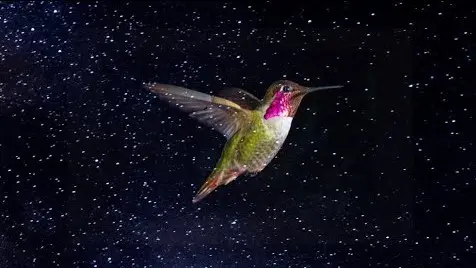
#12DaysofEarthDay -- Celebrating the 50th Anniversary of Earth Day!
It's a Wrap! Check out our #12DaysofEarthDay SING-ALONG VIDEO
April 22, 2020 was the 50th Anniversary of Earth Day!
Volcan Mountain Foundation staffers thought it would be fun to celebrate the 50th Anniversary of Earth Day for more than just one day -- because really EVERYDAY IS EARTH DAY! We will be offering some nature activities for families that can be done while we're self-isolating at home.
#12DaysofEarthDay -- a variation on the classic holiday song -- is what we came up with. It celebrates earth through the lens of Volcan Mountain's many natural wonders!
We'll introduce a new song line on each of the twelve days, add some fun notes about the natural wonder being celebrated, and some family-friendly nature activities to guide your exploration and discovery at home.
We look forward to exploring nature with our students in-person again in the future at VMF's Volcan Mountain Nature Center. In the meantime, stay safe and remember to connect with and celebrate nature!
Record your #12DaysofEarthDay experiences in a nature journal -- just one of several suggestions for families from the Children & Nature Network. We'd also love it if you record photos and videos of your experiences and tag the #VolcanMountainFoundation and #12DaysofEarthDay!
VIDEO: Join VMF Education Coordinator, Janice Smith, and The Volcanettes (VMF Executive Director, Colleen Bradley and Kaleigh Kaltenthaler) for a "12 Days of Earth Day" sing-along!
SONG LINES
#12DaysofEarthDay
Janice Bina-Smith, Susan Meyer 2020
On the twelfth day of Earth Day, nature gave to me ... 12 FLOWERS BLOOMING
... 11 SONGBIRDS SINGING
... 10 LIZARDS LEAPING
... 9 BEETLES DANCING
... 8 OWLS-A-HOOTING
... 7 ACORNS SPROUTING
... 6 FOXES PLAYING
... 5 GOLDEN EAGLES
... 4 WATERSHEDS
... 3 MULE DEER
... 2 TALL TREES
... and A MOUNTAIN WILD AND FREE!
ACTIVITIES

Photo: Jeff Holt
DAY 1: MOUNTAINS AND NATURE
- MOUNTAIN BUILDING ACTIVITY: Mountains are some of the biggest things in the world, but today, you can learn how to make some of your own -- right on your kitchen table, using three towels. Watch this fun MOUNTAIN BUILDING VIDEO to show you how!
- NATURE GAMES FOR YOUNGER CHILDREN:
- Share a read-a-long storybook, Nature Spy, written by Shelley Rotner and Ken Kreisler. Photos by Shelley Rotner.
- Families can have fun playing, I Spy Nature! Go outdoors in your yard, or look out a window at different things you see in nature. You could also look for things indoors that come from something found in nature (plant, wooden bowl). Here's how you play the game:
- First person says, "I spy with my nature eye, something _______." Be sure to choose something you see in nature that desribes the item, like color, shape or texture. Then, the other person has to look around to find something that they think looks like your item. They have 3 guesses to get it right! If they need help, they can ask three 'yes' or 'no' questions. Each person takes turns spying things in nature as Nature Spies! Have fun!
DAY 2: TREES


Photos (L-R): Susan Meyer and L. Blair Shamel
Oaks, pines, firs, and cedars -- OH MY! Did you know that the big cone Douglas fir is one of Volcan's rarities -- and is also one of it's tallest? The trees of Volcan Mountain's forests provide critical habitat for wildlife and help store and keep carbon out of the atmosphere. Learn more about trees with these "tree-rific" family-friendly activities.
- MEET A TREE GAME: This game works best if you have 2 or more trees in your yard or park (any size) and 2 or more players. First, pair-off. Blindfold your partner and gently turn them around 3 times. Then carefully walk the blindfolded player to a nearby tree. When they meet their tree, ask them to feel, and explore their tree to discover it's uniqueness! Hug it, smell the bark, walk around it and feel for branches, what does the bark feel like? Can you feel any leaves? Are they flat of needles? Next, lead them back to your starting place and remove the blindfold. Now they have to find their tree! They have 3 guesses. If they can't find it right away, show them the tree and then change partners and play again.
- ADOPT A TREE: Trees are living things and change over time and seasons. The best way to get to know a tree is to observe it over time. You can do that by adopting a tree! find a tree in your yard or nearby area that you can observe over time. Get started with these ADOPT-A-TREE ACTIVITIES and use this ADOPT-A-TREE CERTIFICATE to track your observations. Post a picture of your tree and your certificate and tag #volcanmountainfoundation and #12daysofearthday!
- LIFE AS A TREE: Did you know that you read the story of a tree's life by looking at a tree's rings? You can figure out way more than just how old it is! This LIFE AS A TREE VIDEO shows you what to look for the next time you're on a hike and find a tree stump!
- WORLD'S TALLEST TREE: Watch this WORLD'S TALLEST TREE VIDEO to learn how tall it really is and how it can grow so tall!
- CALIFORNIA STATE TREE: Explore this kid-friendly site about CALIFORNIA STATE SYMBOLS to learn more about our state's tallest symbol -- and flower and bird.
- TREE READ-ALONG: Enjoy A Tree is Nice read-along with your 4-8 year olds (story by Janice May Udry).
DAY 3: MULE DEER

Photo: Marisa McFedries
Do you know what a deer’s greatest superpower is? Hearing! Look at those BIG EARS! Mule deer got their name because their ears resemble the big ears of a mule. There are two main species of deer in America, the eastern white-tailed deer and the western mule deer – which is the species we see here on Volcan Mountain and in the San Diego backcountry. Have fun with these family-friendly deer activities!
- LISTEN WITH DEER EARS: Deer are prey animals that are always on the look-out for predators. Their keen sense of hearing helps them to hear predators on the prowl so they can run away before the predator even sees them! You can also learn this super power! Enhance your nature awareness skills when you learn how to listen using “deer ears”. This 'DEER EARS' GUIDE FROM FEATHER AND FROND FOREST SCHOOL has some great tips and pictures to teach you how to listen with “deer ears”. It also teaches you how to play a variation of a predator-prey game called Fire Keeper with your “deer ears”.
- PREDATOR-PREY STAKING GAME: Enjoy this predator-prey stalking game for the whole family! You will have to use your “deer ears” for this game.
Game rules: Everyone make a circle (predators = mountain lion) and blindfold one person (prey = deer) to stand in the middle with a red bandana on the ground between their legs. The red bandana represents the deer’s life! Choose one mountain lion to try and sneak up on the deer without being heard. Everyone must remain quiet so they deer can listen for the mountain lion. If the deer hears the predator sneaking up, they must quietly point at the prowling predator. If they point directly at the approaching mountain lion, that means the deer ran away and survived! If the mountain lion is able to grab the red bandana without being heard, the deer is caught!! Play as many rounds as you want. Enjoy!
DAY 4: WATERSHEDS

Everyone lives, works and plays in a watershed! Can you find the watershed you live in on the watershed map? VIEW THIS LARGER WATERSHED MAP
Volcan Mountain feeds four different watersheds in San Diego County. Water from Volcan flows into the San Luis Rey, San Dieguito and San Diego Rivers that run west all the way to the Pacific Ocean. On the east side of Volcan, San Felipe Creek flows east into the Anza-Borrego watershed.
Volcan Mountain is the ‘crest’ of the San Dieguito River Park’s Coast to Crest Trail – following the San Dieguito Watershed from Volcan Mountain in Julian to the San Dieguito Lagoon in Del Mar.
Healthy watersheds are important because they provide clean water to drink, grow our food, and play in. A healthy watershed collects and stores water in the ground to use later, protects us from floods, and filters and cleans our water.
Learn about San Diego County’s watersheds – and yours! -- and how you can help take care of them and keep them healthy. Check out these links and fun activities to learn more!
- WHAT IS A WATERSHED? US FOREST SERVICE'S SCIENCE FOR KIDS 'WHAT IS A WATERSHED?' PAGE
- BUILD A WATERSHED MODEL AT HOME! Check out these two different ways to learn about watersheds by making a watershed model at home.
--Big Project Watershed Model (VIDEO LINK): The weather is warming up! You can take this big watershed model project outside. When students visit VMF’s Volcan Mountain Nature Center, they use spray bottles and food coloring – just like the kids in the video – to create a rain storm and see how contaminants can flow down into the ocean.


Photos (L-R): Unknown Guest and Jeff Holt
--Small Project Watershed Model: Is it better to make your watershed model inside? Try these INSTRUCTIONS FOR A CRUMPLED PAPER WATERSHED MODEL that can be done on your counter-top.
Our friends at San Diego Coastkeeper made one, too. Check out their helpful and easy-to-follow videos:
--SAN DIEGO COASTKEEPER SHOWS PARENTS AND TEACHERS HOW TO MAKE A WATERSHED MODEL
--SAN DIEGO COASTKEEPER TELLS US HOW SAN DIEGO COUNTY WATERSHEDS WORK
- TAKE A WALK AROUND YOUR WATERSHED -- Use this WALK YOUR WATERSHED WORKSHEET to discover more about the watershed you live in as you walk around your neighborhood. Once you know more about your watershed, you can help keep it clean and healthy!
DAY 5: GOLDEN EAGLES

Photo: Janice Smith
The #12DaysofEarthDay song provides a fun opportunity to sing about golden eagles! While particularly impressive, golden eagles also share Volcan's excellent habitat with other raptors, like the American kestrel, Harris' hawk and red-tailed hawk. Golden eagles nest on cliff ledges or trees on steep slopes and forage around Volcan's extensive grasslands. Their foraging territory averages 36 square miles!
A great way to learn more about golden eagles, other raptors, and ... well ... all other birds, is The Cornell Lab's definitive ALL ABOUT BIRDS website. You can listen to a GOLDEN EAGLE call, watch them in flight, learn how to identify them and more.
After you've learned more about golden eagles and other raptors try these family-friendly activities:
- KIDS EAGLE-EYE GAME: Test your eyesight with this fun EAGLE-EYE GAME (VIDEO) and find the hidden mice! For more, here's a GUIDE TO THE EAGLE-EYE GAME
- BUILD A RAPTOR: Gather and make some of your own, and use this GUIDE TO BUILD A RAPTOR at home.
- BUILD A NEST BOX: Building a nest box is a great way to bring wildlife into your backyard or neighborhood. The Raptor Institute has GUIDES FOR BUILDING RAPTOR NEST BOXES
Another way to experience golden eagles and other raptors is Hawk Watch. A fun andnimformative event hosted each January and February at the Ramona Grasslands by our friends at the Wildlife Research Institute.
DAY 6: FOXES

Photo: Janice Smith
The grey fox is an integral part of the Volcan Mountain animal community and they're widespread throughout San Diego County and many other parts of the country. VMF's Wildlife Imaging Team (WITs) often finds images of grey foxes as they're monitoring our wildlife cameras. In this VIDEO FROM THE GUADALUPE-COYOTE RESOURCE CONSERVATION DISTRICT (in Northern California) learn about grey foxes from wildlife camera footage and wildlife specialists. Famillies will have fun practicing their version of 'fox kissing'. You'll also learn how humans can coexist with foxes and wildlife to help protect their populations.
FUN FOXY FACT: Sly fox can disappear using their sense of smell!
Foxes have scent glands on their feet that produce an acidic compound that they use to mark their territory when they walk. Saliva, tends to be more alkaline. If a fox is being stalked by another predator that is following their scented footprints, they simply lie on their back and lick the bottoms of their feet, neutralizing the acidic compound making them “invisible” to their stalker. To their stalker, they just disappear!
Now try these fun, foxy activities!
- LEARN TO WALK QUIET AS A FOX AND "SEE" WITH YOUR FEET: Have you ever heard the phrase, "Quiet as a fox?" That's because foxes are very good at sneaking up on their prey. Check out this FOX WALKING GUIDE FROM EARTHWISEAWARE.ORG and HOW TO WALK QUIET AS A FOX VIDEO to learn how to walk quiet as a practicing this wilderness skill.
- FOX WALKING GAME: Have everyone sit in a circle. One person sits in the middle blindfolded. One at a time, someone tries to sneak up on the blindfolded person using fox walking and tap them on the head. If the blindfolded person points at them, they sit down and you play another round.
- TAKE THE SMELL CHALLENGE! -- HUMAN VS. CANINE NOSE: Foxes and other canines (including dogs) have a keen sense of smell. Experts estimate that they can smell 10,000 to 100,000 times better than humans! One way that helps them to smell better than us is their wet nose. The moisture in or on our noses helps to pick up smells in the air. Try this fun indoor/outdoor game to see if you can smell better when your nose is dry or wet.
- OUTDOOR SMELL CHALLENGE: Just wet a cotton ball with water to wet your nose, and then smell things in nature with a dry nose and a wet nose to see if you can tell which way is stronger.
- INDOOR SMELL CHALLENGE: Set up various small jars with different scents and let each person smell the containers once with their nose dry and once with their nose wet. Discuss the differences and try to identify the scent.
- GO ON A FOX WALKING PHOTO QUEST: Sign up with iNaturalist and download the app. Then take a silent walk around your yard, neighborhood or park, using the fox walk, to stalk birds, butterflies and other animals you might see. Try to get as close as possible using fox walking.
DAY 7: ACORNS AND OAK TREES


Photos: Janice Smith
From tiny acorns, mighty oaks grow! Oaks are a beloved keystone species in southern California's woodlands, including the mixed oak woodlands of the Volcan Mountains. Oak woodlands provide habitat for thousands of other species, and they profoundly influence the surrounding landscape. Oaks are food resources used by native animals such as acorn woodpeckers, mule deer, ground squirrels and arroyo toad.


Acorn germinants photo: SERG Oak sprout photo: Janice Smith
Widespread loss of oaks due to goldspotted oak borer, an invasive species, is adverserly affecting biodiversity through San Diego County mountains, and causing detrimental impacts to the natural landscape. In the fall of 2019, researchers from the Soils Ecology Restoration Group (SERG) at San Diego State University along with VMF team members, collected acorns from oak trees on Volcan Mountain. The researchers are germinating and nurturing the oaks until they become seedlings that can be planted. Planting these oaks now is one of the ways that we can respond to goldspotted oak borer and help to ensure Volcan's ecologically important and beautiful oaks will be around for future generations.
Check out all these different activities to learn about oaks and how acorns become oaks!
- OAK TREES OF CALIFORNIA (PDF): Some basic facts and interesting information about California oaks
- OAK TREE LIFE CYCLE LESSON (PDF) and SEED STUDY-ACORNS (PDF) from www.thehomeschooolscientist.com
- The Santa Barbara Botanic Garden has a great set of lessons that are used student visitor groups to the garden. Many of them can be adapted for learning in our yards and neighborhoods:
- BLACK OAK SING-ALONG (w/LYRICS) -- With the Naturalists at Foothill Horizons Outdoor School: If you ever went to Cuyamca Outdoor School 6th grade camp in San Diego, you will remember this!
- PRE-SCHOOL SING & DANCE AND READ-ALONG STORYBOOK VIDEOS FOR LITTLE SPROUTS
- I'M A LITTLE ACORN Preschool sing and dance
- "Someday a Tree": Written by Eve Bunting and illustrated by Ronald Himler. A wonderful story of an old oak tree that dies, and how a concerned family helps out by planting an acorn.
- "The Acorn and the Oak Tree": Written by Lori C. Froeb and illustrated by Chi Chung
- MAKE BARK AND LEAF RUBBINGS (PDF) from Green Education Foundation
DAY 8: OWLS AND DARK SKIES


Spotted Owl Burrowing Owls
Volcan's forested wildlands, with plentiful small mammals, birds and insects, provide ideal habitat for a variety of owl species. In particular, a sensitive species of concern -- the California spotted owl -- finds refuge in Volcan's high-elevation, montane live oak and bigcone Douglas fir forests. Just another of the many reasons that we work to protect Volcan's forested wildlands!
Owls are fascinating nocturnal creatures -- with their big eyes that can see in poor nighttime light -- are ideally equipped to make the most of Volcan's dark skies. With even normally-light-polluted urban and suburban evening sky canopies now revealing the hidden, sparkling jewels above us, we can all take a cue from owls and take up some nocturnal activities, like owling and stargazing.
Explore these owl and dark sky activities and see what you discover!
- AUDUBON OWL LESSONS AND ACTIVITIES: Not surprisingly, Audubon is a great starting point for learning about owls.
- OWLING CALIFORNIA: This a great introduction to California owls for moms and dads.
- OWLS: LOOK, LISTEN, MIMIC, MEASURE! And this is Audubon's kid-friendly owl overview. After looking at pictures of North American owls, kids learn the differences between five kinds of owl by playfully probing their sounds and size.
- AUDUBON ADVENTURES (FOR KIDS) -- OWLS: A print-friendly owl 'zine' for kids, packed with owl facts, trivia and fun!
- AUDUBON FOR KIDS -- OWL PROWL: Part of a multi-week series of bird activities started just a few weeks ago.
- OWLS ON FILM IN SAN DIEGO COUNTY: Now that you know all about owls meet some of San Diego's owls
- KPBS' "OUR WILD SAN DIEGO" - OWLS: Staff at the Living Coast Discovery Center in Chula Vista introduce you to several of San Diego's owl species, their adaptations and owl pellets, with a couple of bonus birds of prey.
- RAMONA BARN OWL CAM: Just down the road from Julian, this pair of barn owls in Ramona welcomed babies to the nest last month. The family has become an internet sensation.
- DISSECT YOUR OWN OWL PELLETS: Owls are birds of prey, so they hunt small animals for food, including small rodents, birds and bugs. Their stomach cannot digest the fur, bones, teeth, feathers and inset shells from that food. Those parts are spit up by the owl and dropped to the ground. Scientists and students often dissect the pellets to learn exactly what owls eat in a certain area. They swallow their food whole, so you can find whole skeletons inside a pellet that you can put back together -- and it is surprisingly fun! An owl pellet dissecting kit and sterile pellets can be ordered at HomeScienceTools.
- NIGHTTIME OWL AND DARK SKY ACTIVITIES
- TAKE A NIGHT HIKE (WITH AN ADULT) TO LOOK AND LISTEN FOR OWLS: Take a walk around your neighborhood during the day and search for owls living in trees. Look for owls sitting quietly next to the trunk during the day. Observe the branches and the ground underneath the tree to look for evidence of white droppings and grey owl pellets on the ground. Go out again at night and listen for owls hooting and see if you can locate where the owl lives. Observe their movements as they hunt with silent flight -- and always respect their privacy. If you do find an owl, try to identify what species they are.
- DARK SKY ACTIVITIES TO ENJOY AT HOME: The International Dark-Sky Association has a great selection of family-friendly crafts, guides, virtual tours and ways that you can contribute to citizen science projects.
- WAYS THAT YOU CAN LEARN MORE AND HELP PROTECT OWLS AND DARK SKIES
- Our friends at the Wildlife Research Institute tell us why RODENTICIDES HAVE NO PLACE IN OUR ECOSYSTEMS
- More from the International Dark-Sky Association: PROTECT HUMANS AND OTHER SPECIES FROM LIGHT POLLUTION
DAY 9: BEETLES


Photos: Janice Smith
From ladybugs to darkling beetles and many more in between, an amazing array of beetles can be found, not only on Volcan Mountain, but all over the world on every continent -- except Antarctica. One in every four animals in the world is a beetle! That includes all the fish, amphibians, reptiles, birds and mammals -- WOW!
Beetles make up 40% of all insects in the world. There are over 350,000 known beetle species, and new species are being discovered all the time.
 Better known as ladybugs, lady beetles have a special place in our hearts at VMF's Volcan Mountain Nature Center. Specifically, convergent lady beetles will gather together in 'summits' -- mass gatherings -- around the Volcan Mountains and surrounding areas. These 'summits' of convergent lady beetles happen elsewhere, too. Learn more with EXPLORING THE MYSTERY OF SUMMIT LADYBUGS Photo: Janice Smith
Here are some more activities to learn and discover more about amazing beetles.
 MEET THE BEETLES! Explore the INSECTIDENTIFICATION.ORG GALLERY OF BEETLES FOUND IN CALIFORNIA
- Learn more about CONVERGENT LADY BEETLES
- DARKLING BEETLES are often referred to as 'circus beetles' because they stand on their heads with they feel threatened by a predator -- and secrete a bad odor to fend them off!
- FAMILY FUN BUG HUNTS
- DOWNLOAD THE iNATURALIST APP and go exploring! The iNaturlist app is great for taking photos of the insects, animals or plants you find for identification. How many species of beetles can you find?
- KIDS INSECT AND MINI-BEASTS HUNT: This activity focuses on discovery and scientific observational skills, drawing, note taking and identification without catching them. It can be played indoors or outdoors. How many of the insects you find are beetles?
- INSECT SCAVENGER HUNT (PDF)
DAY 10: LIZARDS, SNAKES AND MORE


Photos (L-R): Janice Smith and Ralph Pace
A fascinating part of the Volcan Mountains' biodiversity are its herpetological species -- reptiles and amphibians, like lizards and snakes. The horned lizard and California mountain king snake are a couple of our favorites! In the San Diego mountains, April is the month when reptiles come out of their winter dens to feed on insects and sun themselves on a warm rock. Local reptiles include lizards, skinks, snakes and turtles.
We call it 'herping' when we go out into the field to look for snakes and lizards. Learn more about herps -- from Volcan Mountain to your backyard with these fun facts, activities and lessons.
- LIZARDS AND SNAKES: ON-PAGE OBSERVATION ACTIVITY This resource from our friends at the San Diego Natural History Museum is a great collection of education material on reptiles.
- IDENTIFICATION GUIDE FOR REPTILES AND AMPHIBIANS -- This guide from the California Herps Society is another terrific resource.
- RULES AND TOOLS FOR THE YOUNG HERPETOLOGIST
Use the on-page reptile observation activity
-- The Virginia Herpetological Society has a interesting and helpful collection of EDUCATIONAL HERP RESOURCES, including some fun quizzes. - REPTILE AND AMPHIBIANS ACTITIVIES & FUN IDEAS FOR (LITTLE) KIDS: Discover songs, fun recipes and snacks (Lizard Skins), puppets, plays, books and crafts, all in a reptile theme.
 AMAZING HORNED LIZARDS BLOODY(!) DEFENSE (VIDEO): Any creature that threatens a horned lizard will start to 'see red'! Find out the unusual way this lizard defends itself from predators.
- 5 REASONS YOU SHOULD NOT TAKE HOME WILD REPTILES
- THE ALLIGATOR IS MY FRIEND (VIDEO) -- LIsten to and sing a silly camp song your kids will love!
The Alligator is My Friend
The alligator is my friend, he can be your friend too
If only ou would understand that he has feelings too
The alligator laughs and sings, he never cries the blues
I'd rather have him on my shirt than have him for my shoes
Alligator! Alligator! can be your friend, can be your friend,
Can be your friend too!
DAY 11: BIRDS


The Volcan Mountains have long been a draw for bird lovers! The San Diego Bird Atlas includes Volcan as part of a central San Diego County montane zone with Cuyamaca and Laguna mountains -- offering a, "Distinct combination of bird species inhabiting (their) more intimately connected coniferous woodlands." The Santa Ysabel and Warner Springs grasslands on the west and north expanses of the Volcan Mountain foothills add to the variety of habitat and contribute to the biodiversity of bird species around Volcan. VMF staff and volunteers participate in the annual Audubon Christmas Bird Count -- the nation's longest-running "citizen science" community monitoring project.
STARTING WITH AUDUBON: When you start talking about birds, you pretty much have to start with Audubon. Over 100 years ago, the National Audubon Society was established, inspired by American ornithologist John James Audubon. Ornithology is the study of birds. Audubon leads the way in studying, protecting and teaching us how to appreciate birds. The AUDUBON FOR KIDS WEBSITE is in the midst of offering themed weekly activities for kids. Many of the activities below come from Audubon for Kids.
- GET TO KNOW BIRDS (PDF): Lots of fun facts on how to identify birds with tips you can use when learning to be a naturalist and interacting with birds at home. Plus a kid-friendly background on John James Audubon.
- ALL ABOUT BALD EAGLES: Suggested by Bay Minette STEMette's Hailey, age 11!
- WHOSE BEAK? WHOSE FEET? (ONLINE GAME): Match birds with their correct beaks and feet (ages 8-12).
- LEARN TO DRAW A BIRD: Step-by-step video instructions, by artist David Sibley, for all ages that you can follow along with and learn to draw a simple, but realistic, sketch of a Black-capped Chickadee. You can then apply that same technique to drawing other birds that you observe. Get your paper and pencil and and get ready to draw!
- HOW DO BIRDS GET THEIR NAMES? After learning some tips about how birds are named, kids use their imagingation to "invent" a new bird, draw it, and give it a name (ages 6-13).
HOW TO ATTRACT BIRDS TO YOUR YARD
- MAKE YOUR YARD BIRD-FRIENDLY
- HOW TO MAKE A DIY BIRD FEEDER USING RECYCLED MATERIALS: Attract birds to your yard with a project that is fun for all ages!
- HOW TO MAKE HUMMINGBIRD NECTAR: In a few easy steps, you can bring these nectar-loving birds to your feeder.
- HOW TO MAKE A DIY BIRD BATH: Help your feathered friends beat the heat this summer with this DIY bird bath. If you have a cat, or stray cats in your area, elevate or hang the bird bath to keep the birds safe from predators.
LEARN TO IDENTIFY BIRDS
- ALL ABOUT BIRDS APP: Free Merlin Bird ID app from The Cornell Lab, helps instantly identify over 6,000+ birds world-wide.
- AUDUBON GUIDE TO BINOCULARS: Whether you are new to birding, or an experienced birder looking for an upgrade, this guide can help with a selection for every budget.
DAY 12: WILDFLOWERS AND NATIVE PLANTS


Photos (L-R): Sharyl Massey, Janice Smith, Kathleen Beck, Brian Kramer
The colorful array of native wildflowers in full bloom in springtime are one of the more spectacular seasonal treats on Volcan Mountain. Less showy, but just as fascinating, are the incredible diversity of native plants that populate Volcan's expanses -- including rare and sensitive species. Native wildflowers and plants provide essential habitat for the many animals that call Volcan's wildlands home.


Photos (L-R): Janice Smith, Colleen Bradley, Anne Dawkins, Kathleen Beck
Explore these fun activities and lessons about native wildflowers and plants.
- The California Native Plant Society (CNPS) offers NATIVE PLANT ACTIVITIES FOR KIDS with a variety of activities to choose, including a great selection of native plant 'citizen science' activities.
- US FOREST SERVICE'S CELEBRATING WILDFLOWERS: Fun activities to learn about wildflowers, pollinators, gardening, invasive plants, and ethnobotany.
- MILKWEED AND MONARCHS: Monarch butterflies are endangered. Their populations have been declining as their native milkweed habitat is lost. You can help provide habitat for monarch butterflies by planting native milkweed.
- FLOWER SCIENCE FACTS AND FUN ACTIVITY RESOURCES
- MAKING NATIVE PLANT SEED BALLS
Bug observation activity: explore with your senses
Choose a safe place outdoors, or observe through a window. Record your discoveries with notes, a drawing, a voice recording, or help from a companion. You do not need to catch or touch an animal.
- Notice a body feature. Describe the legs, antennae or wings you can observe.
- Notice a pattern. Compare the shapes, colors or markings of two small animals.
- Notice a change. Look for evidence of different life stages, such as a caterpillar and a butterfly. Record only what you actually observe.
- Notice a habitat. Describe where an animal rests, travels or feeds, without disturbing it.
- Compare a spider and an insect. If you can observe them safely, count their legs and describe how they move.
Leave plants, animals and their homes undisturbed. Share one observation and one question you would like to investigate next.
This on-page activity offers another way to explore the topic. The linked museum worksheet remains available as an optional illustrated resource; it is not a verified accessible document.
Nature activities you can use on this page
These activities can be read aloud or used with a screen reader. Choose a nearby place you can comfortably reach, look through a window, or work with a companion. Respond by speaking, typing, drawing, or recording your observations. No printed worksheet is required.
These are new activities for the topics above, rather than transcriptions of the linked worksheets. Original resources are still linked in their sections.
Explore a tree and its surroundings
- Choose one tree to observe without disturbing it. Describe its size, trunk and branching shape.
- Look or listen for animals using the tree. Note where they rest, move or feed. A companion can describe details you cannot see.
- Observe the ground beneath the tree. Describe fallen leaves, twigs or other materials without moving them.
- Make a list of your observations. Separate what you observed from what you wonder about.
Describe connections in nature
- Choose three things you observed outdoors, such as a tree, a bird and fallen leaves.
- For each pair, describe a possible connection. Label it as an observation or a question to investigate.
- Record the connections as sentences. You may also draw a diagram, but a drawing is optional.
- Discuss what else you would need to observe to learn whether a proposed connection is correct.
Observe reptiles without disturbing them
- Watch from a distance. Do not handle, feed or follow a wild animal.
- If you spot a lizard or snake, describe its movement, markings and location. If you do not see one, record the conditions and what you did observe.
- Use a photograph, notes or a companion's description to compare observations later. A sighting is not required to complete this activity.
- Write or record one question for an educator. Do not guess an animal's identity from a single feature.
Notice birds by sight and sound
- Choose a comfortable observation point and pause to notice what is around you.
- Record any bird sounds you hear or movements you see. Describe repeated sounds in your own words; musical notation is not needed.
- If you can observe a bird, describe its shape, activity and location. Use a companion's description if helpful.
- Compare two observations. Record a difference or a similarity, without needing to name the species.
Compare plants and flowers
- Observe two plants without picking them. Describe their leaves, stems and overall shapes.
- Record what is similar and different. Use words, a voice recording or a drawing.
- If flowers or visiting insects are present, note what you can observe. Do not assume that every visitor is feeding or pollinating.
- Return another day if possible and compare your notes. An unchanged observation is useful too.
For help choosing an activity or arranging an outdoor education visit, contact the foundation. Tell us which activity interests you and what format or assistance would help you take part.
VMF Wildcrafting Videos
Wildcrafting: 10 Best Practices for Foraging Wild, Edible Plants
From the post: Janice Smith introduces ten best practices for foraging wild, edible plants at VMF’s Volcan Mountain Nature Center.
Learn the best practices of foraging wild, edible plants with Volcan Mountain Foundation Education Coordinator, Janice Smith, at VMF's Volcan Mountain Nature Center.Video Production: VMF Engagement Coordinator, Susan Meyer
Wildcrafting: Forest Feast with Miner's Lettuce and Chickweed
From the post: Janice Smith introduces foraging and preparing a salad with miner’s lettuce and chickweed at VMF’s Volcan Mountain Nature Center.
Learn how to forage for and make a delicious salad with wild, edible plants at VMF's Volcan Mountain Nature Center with VMF's Education Coordinator, Janice Smith.Video Production: VMF Engagement Coordinator, Susan Meyer
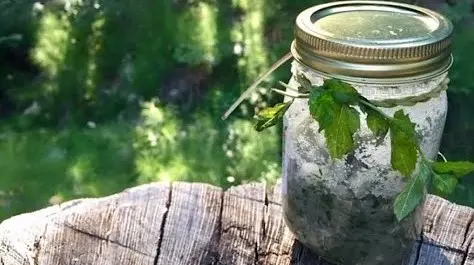
Wildcrafting: Mountain Mint and Horsetail Foot Scrub
From the post: Janice Smith introduces foraging and crafting a foot scrub with mountain mint and horsetail at VMF’s Volcan Mountain Nature Center.
Learn how to forage for and craft a refreshing foot scrub with mountain mint and horsetail at VMF's Volcan Mountain Nature Center with VMF's Education Coordinator, Janice Smith.Video Production: VMF Engagement Coordinator, Susan Meyer
Wildcrafting: Elderberry Chutney
From the post: Janice Smith introduces harvesting and cooking elderberries to make elderberry chutney at VMF’s Volcan Mountain Nature Center.
Learn how to harvest and cook elderberries as we make elderberry chutney at VMF’s Volcan Mountain Nature Center with VMF's Education Coordinator, Janice Smith.Video Production: VMF Engagement Coordinator, Susan Meyer